

Introduction
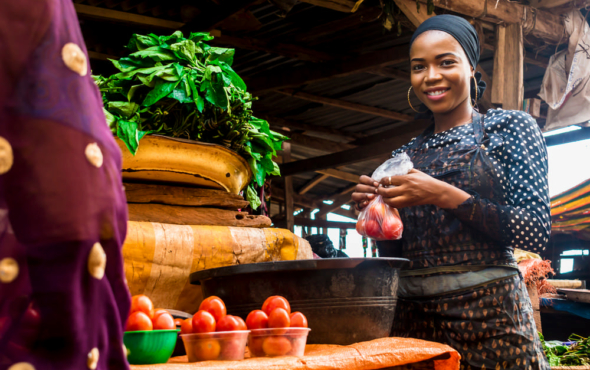
Sourcing a product from your region rather than from overseas can have a hugely beneficial impact on the environment and a positive economic impact. Buying locally can reduce the carbon emissions generated by shipping products over long distances and supports your community.
Your guide to..responsible sourcing
Buy local first
Purchasing local products and services can help enhance customer experience, support local communities, relations and economies and in some cases provide your business with better quality and a better deal overall. Even if a central purchasing policy is in operation for some goods, it may be possible to buy services from local providers. Anything from laundry services, pool maintenance, transport provision or entertainment can be supplied by local businesses.Energy & water efficient
When new electrical equipment is purchased, make sure goods which are more energy efficient prioritized. For example, EU rated A to G, US Energy star or equivalent low energy rated. Equally when new taps, showers, toilets or urinals are purchased, prioritize the more water efficient choices, which are usually identified as low flow, EU water label (green banded), US Water sense or equivalent.Involve suppliers
Inform your suppliers and sub-contractors on the ways you are reducing and managing your impact on the environment, being a responsible employer and are committed to the well-being of the wider community. An easy way to do this is to share a copy of your sustainability or environmental policy. By engaging with them, you are increasing awareness of an important topic, and encouraging your suppliers and sub-contractors to play their part too.Food for thought
As a rule of thumb, you should look for the closest food supply you can get, and then buy other manufactured (or grown) products or services that are located within close proximity to your property. Whilst you might not be able to buy all food locally, it’s often possible to source some fresh fruit and seasonal vegetables locally, and sometimes meat or fish, or local wines and olive oils. Find out what local producers are located within close proximity to your property and see if you can support them if the price and quality is right. Please take a look at the Sustainable Food Communication Manual, which is especially designed to help hotels to move towards a sustainable food policy.Souvenirs
Make sure that the property and its suppliers do not sell any protected species as souvenirs, or protected historical and archaeological artefacts such as old coins, masonry from historic sites or fossils. As this is a highly visible topic which could potentially damage your reputation, we recommend taking a look at the Souvenir guide for more information and ideas.Paper and timber
Purchase paper or card which has recycled content or is made from a sustainably managed forest. Sustainable wood products are normally labelled by the Forest Stewardship Council (FSC) Programme for the Endorsement of Forest Certification schemes (PEFC) or EU eco-label. This also applies to other forest products such as timber or furniture.Cosmetics
For cosmetics, (from hand soap to sunscreen) micro-plastics or micro-beads are intentionally added plastic particles which are smaller than 5mm. These particles are sometimes used for exfoliating, as an emulsifying agent, filler or light reflectors (including in glitters) but they are particularly damaging to marine environments and easily enter food chains. As a result, a micro-plastic ban in wash-off cosmetics has been implemented by a growing number of nations including the UK and USA.In 2020 the EU began work on wider ranging micro-plastics legislation to phase out their use in detergents, paints, polish and coatings as well as cosmetics. We recommend checking to see if the micro-plastics are already banned in the country where you operate and ask your supplier to confirm the products you purchase are free from Microplastics.
Fair trade
As a starting point, tea, coffee, sugar and cocoa products that are sustainable and fair trade certified are now widely available, often with little or no price premium. Widely recognised certifications for these products include, Fair Trade international, Rainforest Alliance, UTZ, Bon surco, Ethical Tea Partnership membership and Fair for Life.Packaging
You can cut packaging waste and cost considerably through the bulk purchase of products. Providing refillable containers for wash products in guest and staff areas is a good place to start, and reduces the use of single-use plastic containers. However, it is important to make sure that dispensers are regularly monitored and topped up. Where dispensers are used in guest rooms, make sure your housekeeping staff have sufficient time to check and top-up regularly.Tell your guests about it
While you are aiming to source your products as responsible as possible we also recommend to tell your guests about it. For example, about the organic breakfast you provide, Fairtrade coffee or tea, and the FSC certified wooden floors. It all stands for quality, something that gives your guests a positive view of your hotel.Best Practices
Fresh from the harvest – TUI Blue Oceanis Beach & Spa Resort (Greece)
You can hardly get your meal any fresher than at this hotel. TUI BLUE Oceanis Beach & Spa Resort has had its own farm since 2012. This started on a small scale, but has grown to 215 hectares in 2017. 45 different types of plants grow on the farm, of which the harvest is of course used in the restaurant. Also the organic wine and extra virgin olive oil comes from their own soil. Do you want to reminisce about your vacation at home, you can buy your own bottle of deliciousness in the hotel’s mini supermarket.
Bismillah! - RIU Tikida Garden (Morocco)
At RIU Tikida Garden you can feast on all the delicious food all day long, but they also have an eye for food waste. In the restaurant, where a lot of local products are used, you will find ‘on the spot’ cooking stations. The chef conjures up your portion in the right proportion on your plate. Although RIU Tikida Garden is located in the middle of Marrakech, the environment is surprisingly green due to the large beautiful garden surrounding the hotel. All the garden waste ends up on the hotel’s own compost heap and, after a while, serves as a food source for the garden.